
Bitcoin · 2008
The email that introduced Bitcoin
Satoshi Nakamoto asked a mailing list to consider a payment system in which strangers could settle a dispute about who spent first.
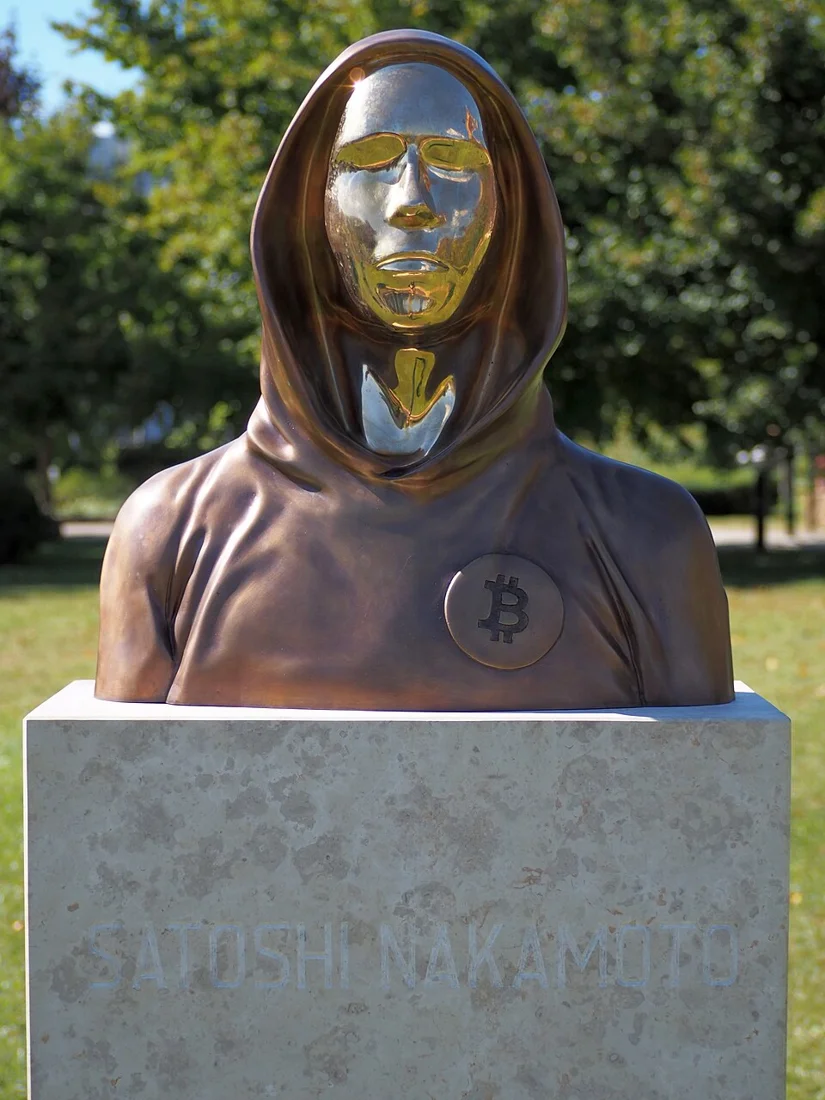

On 31 October 2008, a message signed Satoshi Nakamoto arrived on the Cryptography Mailing List. It linked to a paper and immediately identified the problem its author wanted readers to inspect. Someone who receives a digital payment can check the sender’s signature. What happens if the sender signs a second payment spending the very same money?
Imagine the two recipients comparing notes. Each holds a valid signature. Neither signature tells them which transfer came first. A bank can settle that dispute by opening its ledger. Nakamoto proposed a public history assembled by network participants, with proof of work making a competing version increasingly costly to build. The passage of time after a payment now had a practical meaning for its recipient.
The email is an unusually good place to meet a pseudonymous founder. It records exactly what Nakamoto was prepared to defend in public. It leaves the author’s civil identity unresolved. A reader can follow the argument, identify its assumptions and decide whether it works without first settling who wrote it.