
Algorand · 2017
Silvio Micali and the committee nobody could name in advance
Algorand grew from a question about voting. Could a network choose its next committee without handing an attacker a list of targets?
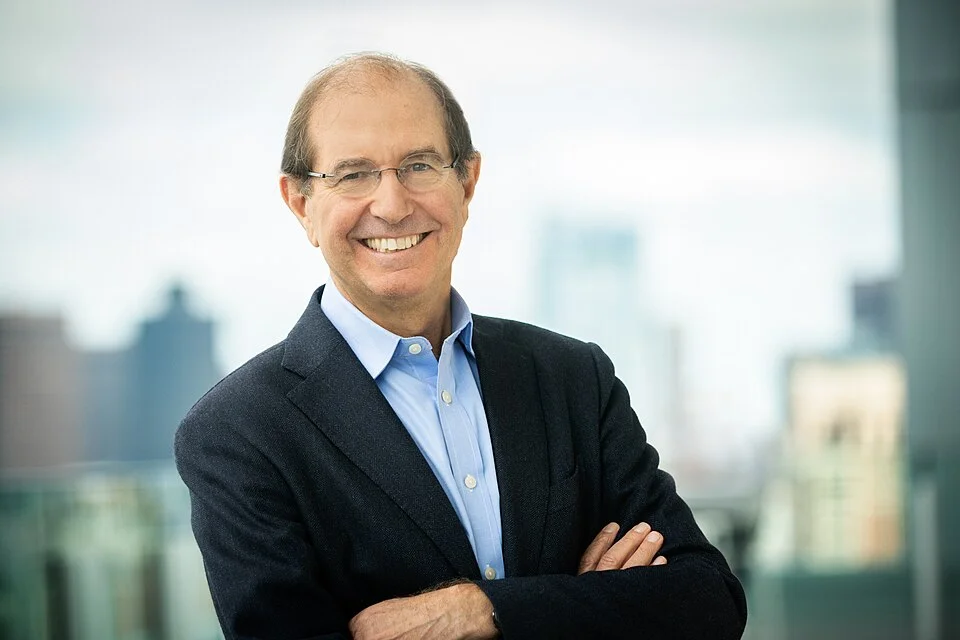

Algorand’s own founding account places an early gathering around Silvio Micali’s kitchen table in Cambridge, Massachusetts. The technical record of 2017 gives the idea a wider cast. Yossi Gilad, Rotem Hemo, Silvio Micali, Georgios Vlachos and Nickolai Zeldovich put their names to a paper explaining how a large network could agree on its next block.
Consider the difficulty of publishing a committee roster before a vote. Everyone knows whose messages count, but an attacker also knows whom to target. The researchers described a private draw. A participant could use a secret key to discover locally whether they had been selected. When sending a vote, the participant could attach a proof that let everyone else check the selection.
That sequence is the heart of the story. Publishing the proof with the vote shortens the opportunity to interfere before the member speaks. Selection is weighted by stake, and the protocol relies on assumptions about honest participation. Reading the original research alongside the founding account shows what the team set out to achieve and the conditions under which its design could work.